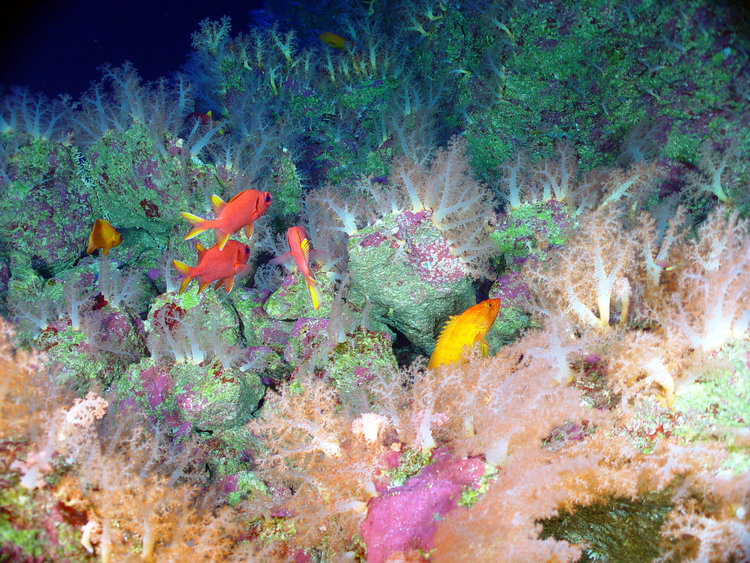
Objects of Scientific Interest
President George W. Bush established the monument under the authority of the Antiquities Act of 1906, which protects places of historic or scientific significance. Only recently have scientists visited the realm of the monument, observing previously unknown biological, chemical, and geological wonders of nature.
Specific Points of Interest
The Mariana Trench
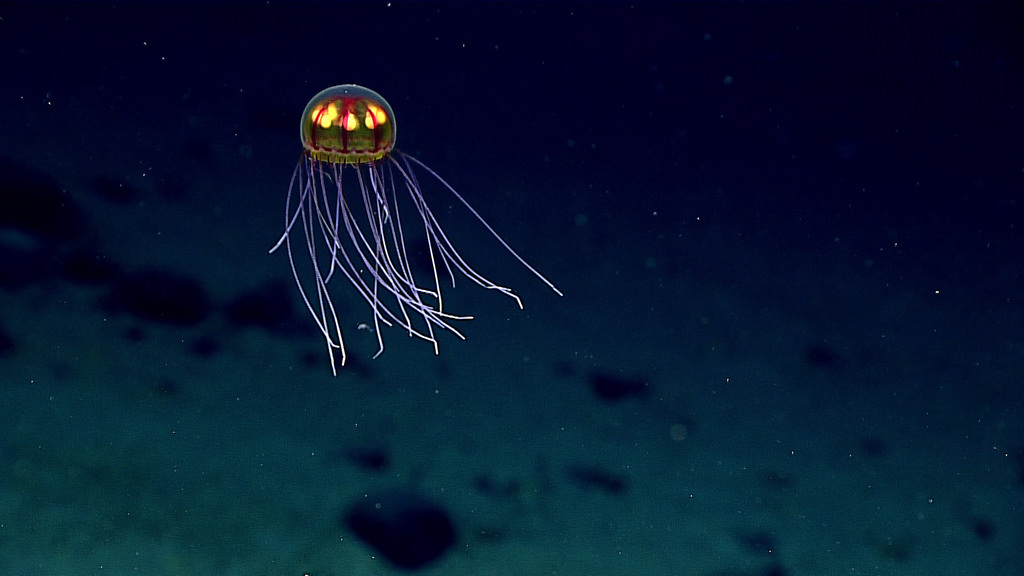
The Champagne Vent
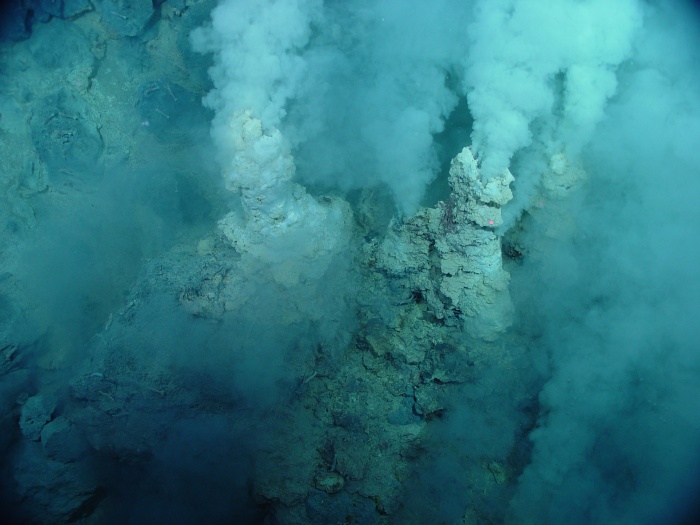
The Caldera at Maug
The submerged caldera at Maug is one of only a few known places in the world where photosynthetic and chemosynthetic communities of life co-exist. The caldera is some 1.5 miles wide and 820 feet deep, an unusual depth for lagoons. The lava dome in the center of the crater rises to within 65 feet of the surface. Hydrothermal vents at about 475 feet in depth along the northeast side of the dome spew acidic water at scalding temperatures near the coral reef that quickly ascends to the sea surface. Thus, coral reefs and microbial mats are spared much of the impact of these plumes and are growing nearby, complete with thriving tropical fish.
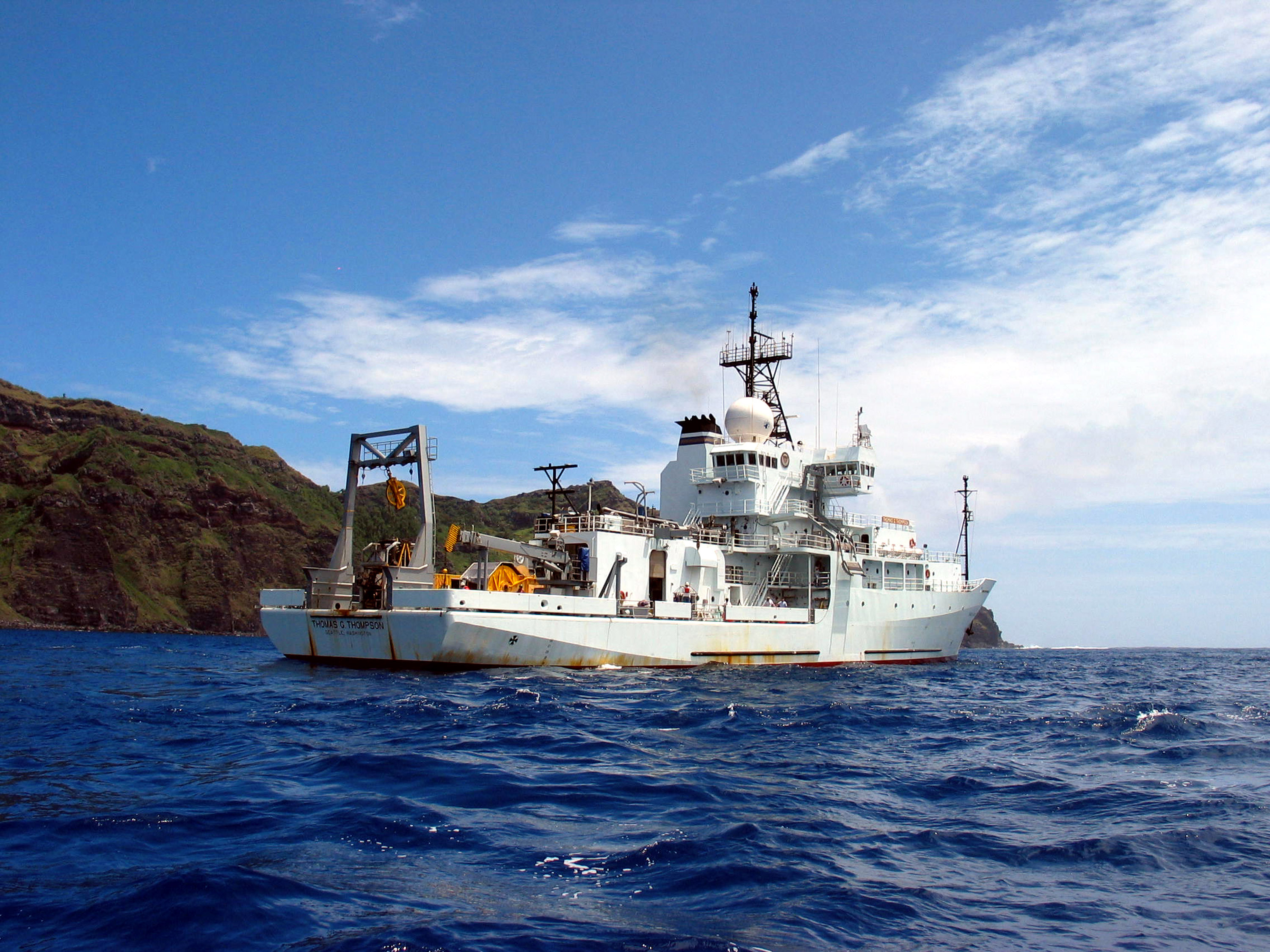
The Units
The Islands Unit
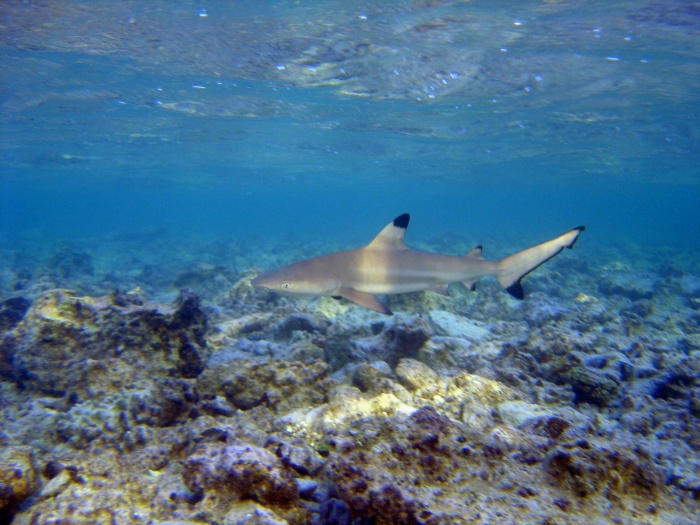
In the Islands Unit, unique reef habitats support marine biological communities dependent on basalt rock foundations, unlike those throughout the remainder of the Pacific. These reefs and waters are among the most biologically diverse in the Western Pacific and include the greatest diversity of seamount and hydrothermal vent life yet discovered. They also contain one of the most diverse collections of stony corals in the Western Pacific, including more than 300 species, higher than any other US reef area.
The Volcanic Unit